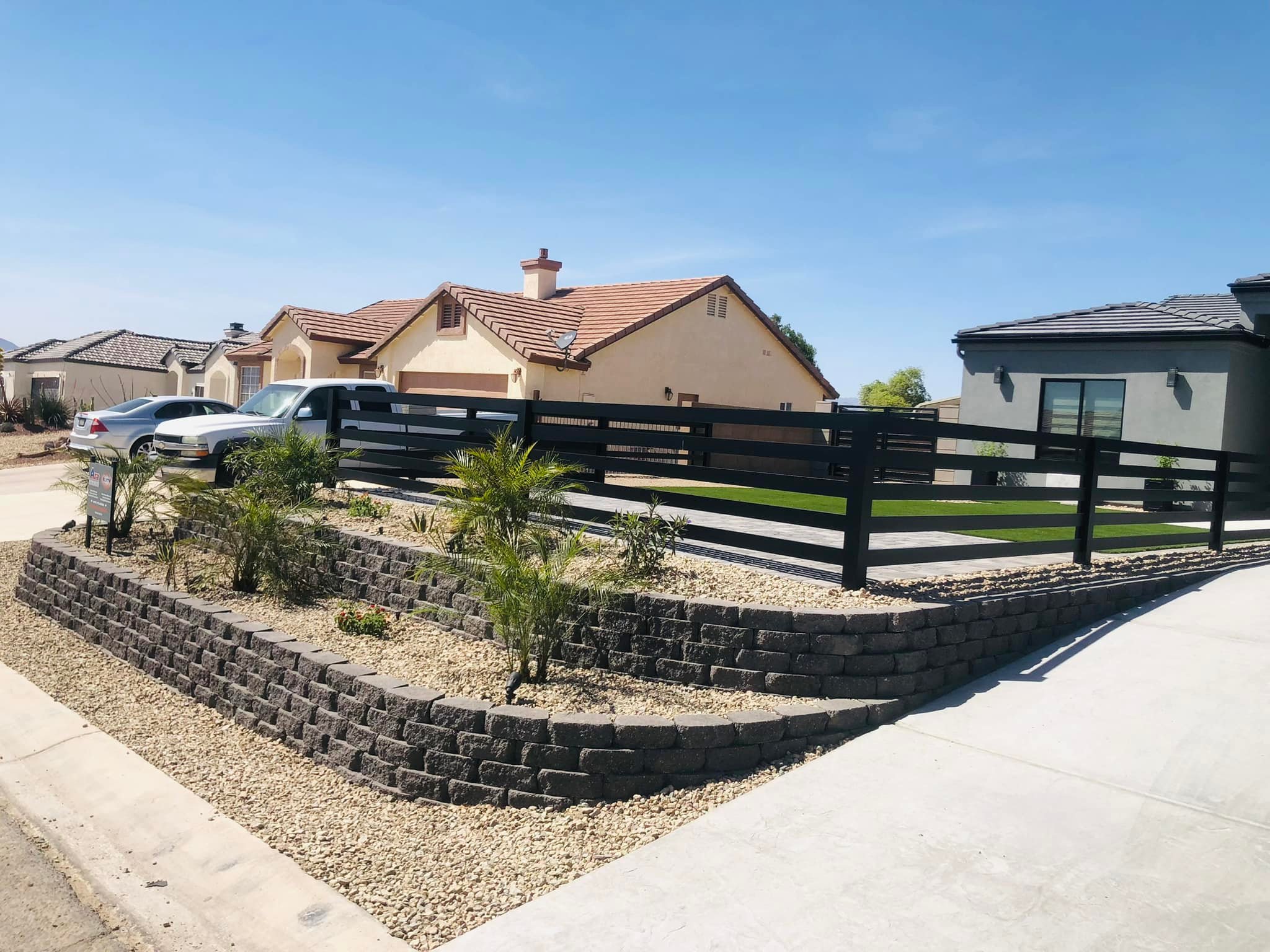
Mastering the Balance: Integrating Softscaping with Hardscaping for Stunning Results Jun 22, 2026
Start by considering the overall vision you want for your outdoor space. The key to a successful landscape project lies in the harmonization of softscaping elements like flowers, shrubs, and trees with hardscaping components such as pathways, patios, and retaining walls. This integration not only enhances aesthetic appeal but also increases the functionality of your outdoor areas.
When planning your landscape, it's crucial to consider how both elements will complement each other. For example, using hardscaping features like stone pathways can create defined walkways and areas, guiding visitors through your garden. These paths should ideally lead to focal points like a beautifully arranged flower bed or a majestic tree—softscaping features that draw attention with their natural allure.
Choosing the right materials for hardscaping is equally important. Opt for materials that blend seamlessly with your home's architecture and the surrounding environment. Natural stones, bricks, and wood can provide a rustic charm, while modern concrete designs can offer a sleek, contemporary look. The choice of materials can significantly impact the feel of the space, so selecting them should reflect your personal style while maintaining harmony with the softscaping.
Consider the functionality of your space. Hardscaping structures like patios and decks can serve as fantastic entertainment areas or quiet retreats in your garden. Adding softscaping elements, such as planter boxes or climbing vines around these structures, can soften their edges and create a more inviting atmosphere. Not only does this enhance aesthetic appeal, but it also creates zones within your landscape for various activities, blending leisure with beauty.
Water management is another critical aspect of integrating softscaping and hardscaping. Proper drainage solutions must be in place to ensure the longevity of where hardscaping meets green spaces. By using permeable paving solutions, rainwater can be naturally absorbed into the ground, reducing runoff and preserving plant health. Additionally, incorporating water features like ponds or fountains can add an element of tranquillity to your garden while serving as a natural habitat for wildlife.
Maintenance is a crucial factor to consider from the outset. Designing a landscape that balances softscaping and hardscaping means thinking about both immediate and long-term care. Hardscaping structures are generally low maintenance, but plants will require regular attention. Choosing native plants can minimize upkeep and enhance the natural beauty of your space. Consult with experts to select plants that thrive in your local climate, ensuring a thriving garden year-round.
Ultimately, the most rewarding landscapes are those that reflect both aesthetics and functionality. By integrating softscaping with hardscaping, you can create an outdoor space that is not only beautiful but also practical, enhancing the overall value of your property. At Infinity Concepts Landscaping, our goal is to help you achieve a seamless balance that invites relaxation and admiration.
In conclusion, mastering the balance between softscaping and hardscaping transforms ordinary gardens into extraordinary landscapes. With careful planning, the right materials, and expert guidance, your outdoor space can become a welcoming extension of your home. Whether you're seeking a lush sanctuary or a modern oasis, blending soft and hard elements will create a harmonious environment that stands the test of time.
/filters:no_upscale()/filters:format(webp)/media/88f953bd-718d-4234-ac89-807278409948.jpeg)