Sustainable Landscaping: Eco-Friendly Practices for a Greener Yard Apr 12, 2026
Sustainable landscaping begins with careful planning and design. One of the most effective ways to achieve this is by incorporating native plants into your garden. Native plants are naturally adapted to the local climate and soil conditions, requiring less water and maintenance than non-native species. They support local wildlife, attracting beneficial insects like pollinators that help your garden thrive. Consider planting drought-tolerant grasses, wildflowers, and shrubs that will add vibrant colors and textures to your landscape.
Water conservation is another critical component of sustainable landscaping. Implementing smart irrigation systems can significantly reduce water usage. Drip irrigation, for example, delivers water directly to the plant roots, minimizing waste and maximizing efficiency. Rainwater harvesting systems can be installed to collect rainwater for use during dry periods, reducing dependence on municipal water supplies. Additionally, scheduling watering times for early mornings or late afternoons can prevent evaporation and ensure that your plants receive the moisture they need.
In addition to water conservation, soil health is a vital aspect of sustainable landscaping. Healthy soil improves plant growth and reduces the need for chemical fertilizers. Start by conducting a soil test to understand your soil's nutrient levels and amend it with organic matter, such as compost or well-rotted manure, to enhance fertility. Mulching is a great way to improve soil health, as it retains moisture, suppresses weeds, and gradually breaks down to nourish the soil. Regularly rotating plants and avoiding compaction by foot traffic can also maintain healthy soil.
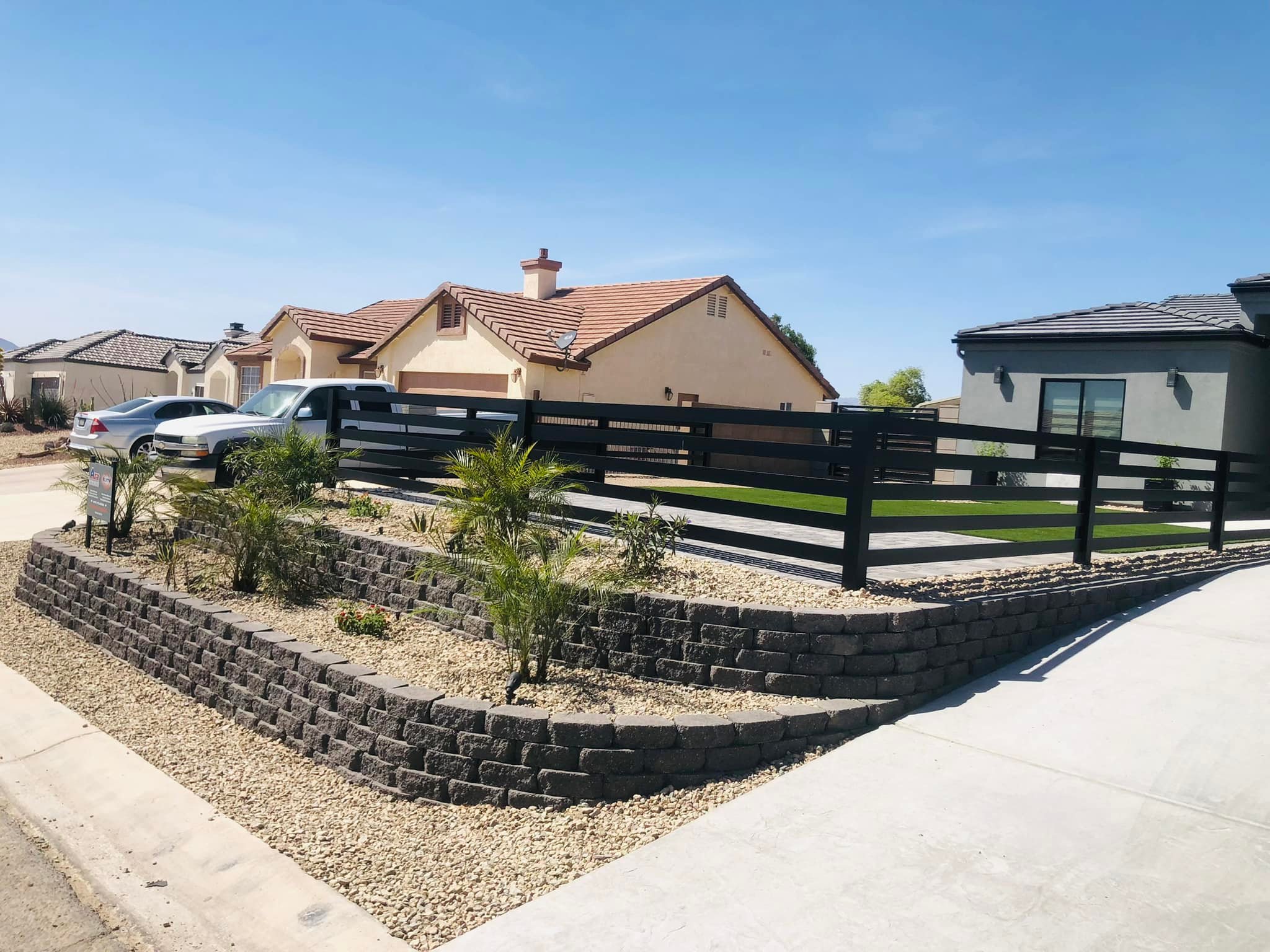
Eco-friendly landscaping can also involve hardscaping features that complement the natural environment. Consider using permeable materials for paths and driveways to allow rainwater to infiltrate the ground rather than running off into storm drains. Incorporating stone, gravel, or permeable pavers can reduce surface water runoff and help replenish groundwater supplies. These materials blend seamlessly with natural settings, creating a harmonious landscape that coexists with the environment.
Another sustainable practice is reducing lawn size. Traditional lawns require significant amounts of water, mowing, and maintenance. By minimizing lawn areas and replacing them with alternative ground covers, such as clover or creeping thyme, you can reduce your yard's environmental impact while adding visual interest. These low-maintenance options attract pollinators and provide a lush, green backdrop that is both functional and beautiful.
Finally, consider integrating sustainable practices into regular yard maintenance. Composting your yard waste recycles valuable nutrients and reduces landfill contributions. When mowing, leave clippings on the lawn to return nutrients to the soil, and use electric or manual tools to cut down on emissions. By making these small adjustments, you not only create a healthier yard but also contribute to a more sustainable environment.
In conclusion, sustainable landscaping is an achievable goal that offers numerous benefits for both the environment and homeowners. By embracing eco-friendly practices such as native planting, water conservation, soil health, and environmentally-conscious hardscaping, you can create a greener, healthier yard. At Infinity Concepts Landscaping, we are committed to helping you achieve a sustainable landscape that enhances both your property's beauty and your environmental stewardship. Reach out to us to start your journey toward a more sustainable outdoor space today.
/filters:no_upscale()/filters:format(webp)/media/88f953bd-718d-4234-ac89-807278409948.jpeg)